How to Lose Weight Fast: What Actually Works According to Science
Summary & Key Takeaway
Weight loss is the process of reducing body fat through a sustained calorie deficit — burning more calories than you consume — combined with adequate protein, resistance training, and behavioral habits that preserve muscle and metabolic rate. Every year, billions are spent on weight loss products and programs, yet most people who lose weight regain it within five years. The reason is simple: most approaches ignore the science of how your body actually loses fat. Sustainable weight loss isn't about cutting entire food groups or running marathons — it's about understanding your metabolism, creating a moderate calorie deficit, and building habits you can maintain for life. Whether you're trying to lose 10 pounds or 100, the underlying principles are the same, and they're backed by decades of clinical research. Understanding how AI is transforming health monitoring can also help you track progress and stay accountable.
?? Core Insights
- Weight loss requires a sustained calorie deficit — burning more calories than you consume — but the deficit should be moderate (500–750 calories/day) to preserve muscle mass
- Your basal metabolic rate (BMR) accounts for 60–70% of daily calorie expenditure, and it can be influenced by muscle mass, age, hormones, and sleep quality
- Resistance training is as important as cardio for weight loss because it preserves lean muscle, which keeps your metabolism higher during a deficit
- Protein intake of 1.2–1.6 g/kg body weight helps preserve muscle during weight loss and increases satiety
- Behavioral strategies — meal planning, food tracking, sleep optimization, and stress management — predict long-term weight loss success better than any specific diet type. [Premedice](/) can help you track nutrition and monitor metabolic markers as part of your weight management plan
Try it yourself — free
Experience the medical AI that powers this article. Ask questions, check symptoms, or analyze lab results.
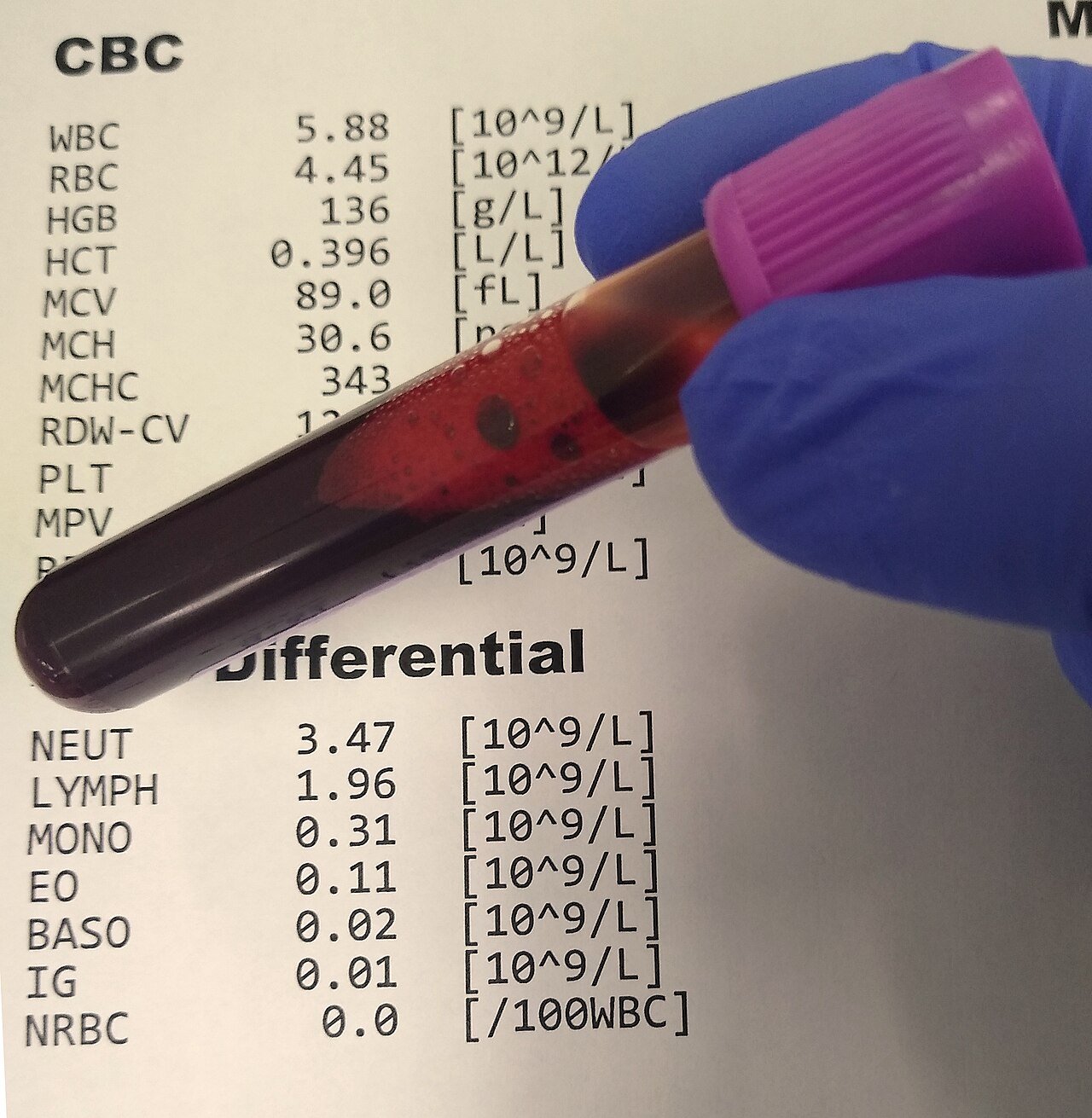
Want to know what a tool does with a panel like yours? See how the lab interpreter reads a blood panel.
Related Lab Tests
Why Most Diets Fail: The Science of Weight Regain
The biggest misconception about weight loss is that it's primarily about willpower. In reality, your body has powerful biological mechanisms that resist weight loss. When you reduce calorie intake significantly, your body responds by lowering your basal metabolic rate (BMR) — a phenomenon called adaptive thermogenesis. This means you burn fewer calories at rest than someone of the same weight who hasn't dieted. Studies show this metabolic adaptation can persist for years, which is why the dieters in [The Biggest Loser study](https://www.ncbi.nlm.nih.gov/pmc/articles/PMC4989512/) had metabolic rates hundreds of calories below expected even six years later.
The key to overcoming this biological resistance is moderation. A deficit of 500–750 calories per day (roughly 1–1.5 pounds per week) minimizes metabolic adaptation while still producing meaningful weight loss. Faster weight loss doesn't just increase muscle loss — it amplifies the metabolic slowdown that makes weight regain so likely. Think of it as a marathon, not a sprint: the slower you lose, the more likely you are to keep it off.
Calculating Your Calorie Needs
Your total daily energy expenditure (TDEE) is the number of calories you burn in a day. It consists of four components: basal metabolic rate (BMR, 60–70%), thermic effect of food (TEF, 8–15%), non-exercise activity thermogenesis (NEAT, 15–20%), and exercise activity thermogenesis (EAT, 5–10%). BMR is the calories your body burns at complete rest just to keep your organs functioning. It's determined by your age, sex, weight, height, and body composition. More muscle mass means a higher BMR, which is why resistance training is so valuable for long-term weight management.
To estimate your TDEE, multiply your BMR by an activity factor: 1.2 for sedentary (desk job, little exercise), 1.375 for lightly active (1–3 days/week), 1.55 for moderately active (3–5 days/week), and 1.725 for very active (6–7 days/week). Subtract 500–750 calories from your TDEE to find your target intake. For most women, this means a floor of about 1,200 calories per day; for most men, about 1,500. Going below these thresholds makes it nearly impossible to get adequate nutrients and increases the risk of metabolic slowdown.
The Role of Protein in Weight Loss
Protein is the most important macronutrient during weight loss. It serves three critical functions: preserving lean muscle mass, increasing satiety (fullness), and boosting thermic effect of food (your body burns more calories digesting protein than carbs or fat). Research consistently shows that higher protein intake during a deficit results in more fat loss and less muscle loss compared to lower protein diets, even when total calories are identical.
The optimal protein intake for weight loss is 1.2–1.6 grams per kilogram of body weight per day. For a 180-pound (82 kg) person, that's roughly 98–131 grams of protein daily. Spread this across meals — 25–40 grams per meal — to maximize muscle protein synthesis. Good sources include chicken breast, fish, eggs, Greek yogurt, legumes, and tofu. If you struggle to hit your protein target through food alone, a whey or plant-based protein shake can help. Track your intake using a food logging app to ensure you're meeting your target.
Exercise: Resistance Training Over Cardio
The exercise debate in weight loss is often framed as cardio vs. strength training, but the answer is: both, with an emphasis on resistance training. Cardio burns more calories per session, but resistance training builds and preserves muscle, which is critical during a calorie deficit. Without resistance training, 25–30% of weight lost can come from muscle rather than fat, which lowers your BMR and makes weight regain more likely.
Aim for 2–4 resistance training sessions per week, targeting all major muscle groups. Compound movements — squats, deadlifts, bench press, rows, overhead press — are the most efficient because they work multiple muscles simultaneously and burn more calories per rep. For cardio, 150–300 minutes of moderate-intensity activity (brisk walking, cycling) or 75–150 minutes of vigorous activity (running, HIIT) per week supports cardiovascular health and adds to your calorie deficit without excessive metabolic adaptation.
Sleep, Stress, and Hormones: The Hidden Factors
Weight loss isn't just about food and exercise. Sleep deprivation increases ghrelin (hunger hormone) and decreases leptin (satiety hormone), making you hungrier and less satisfied after meals. Studies show that people who sleep fewer than 7 hours per night lose less fat and more muscle during a calorie deficit compared to those who sleep 8+ hours. Chronic stress elevates cortisol, which promotes fat storage (especially visceral abdominal fat) and increases cravings for high-calorie foods.
Prioritize 7–9 hours of sleep per night. Maintain a consistent sleep schedule, avoid screens for an hour before bed, and keep your bedroom cool and dark. For stress management, techniques like meditation, deep breathing, yoga, or simply walking outdoors have been shown to lower cortisol levels. These aren't luxuries — they're evidence-based weight loss tools that complement your diet and exercise efforts. If you're struggling with weight loss despite doing everything right, [Premedice](/) can help you review your metabolic markers and identify hormonal or medical factors that might be contributing.
Ready to try Premedice?
Get instant, AI-powered explanations of your lab results and symptoms — powered by 300+ medical databases.
Continue Reading



Most Popular
Best AI Medical Models in 2026: MedQA Scores Compared
ResearchMedGemma: Open-Source Medical AI That Runs on Your Hardware
TechnologyMed-PaLM 2: 86.5% MedQA Score, Zero Doctors Using It (2026)
ResearchAI Symptom Checker Architecture: How Premedice Cuts Hallucinations 3.8x
TechnologyMedical AI Privacy: AES-256 + Zero-Knowledge Architecture
SecurityDr. Aria Patel, MD, RD
Dr. Patel is a board-certified bariatric medicine specialist with expertise in evidence-based weight management strategies and metabolic health.
Expert Takeaway
A moderate calorie deficit combined with resistance training and adequate protein is the most evidence-based approach to sustainable weight loss. Extreme restriction backfires by reducing metabolic rate and increasing regain risk.
Browse by Topic
QFrequently Asked Questions
Q1How fast can I safely lose weight?
A safe and sustainable rate is 1–2 pounds per week, which requires a 500–1,000 calorie daily deficit. Faster weight loss increases the risk of muscle loss, metabolic slowdown, nutritional deficiencies, and weight regain. For people with significant weight to lose (50+ pounds), initial weight loss may be faster due to water weight, but should stabilize to 1–2 pounds per week.
Q2Do I need to count calories to lose weight?
Calorie counting isn't necessary but is an effective awareness tool — trackers lose more weight. Alternatives include portion control, the plate method, or mindful eating. The best method is the one you can sustain.
Q3Is intermittent fasting better for weight loss?
Intermittent fasting can be effective for weight loss, but it's not inherently better than other approaches. Its main benefit is that restricting the eating window often leads to a natural calorie reduction. However, if you eat the same total calories whether you fast or not, the results will be similar. Choose the eating pattern that fits your lifestyle and preferences.
Q4What role does exercise play in weight loss?
Exercise contributes about 5–10% of your total calorie expenditure, so diet is the primary driver of weight loss. However, exercise — especially resistance training — preserves muscle mass during a deficit, improves metabolic health, reduces regain risk, and provides numerous cardiovascular and mental health benefits. It's essential for long-term weight maintenance, even if diet drives the initial loss.
Q5Can AI help with weight management?
Yes. AI-powered health tools can track your nutrition, monitor metabolic markers, identify patterns in your eating and exercise habits, and provide personalized recommendations. Premedice's AI health assistant can analyze your lab results, help you understand how your metabolism is responding to your plan, and flag potential nutritional gaps — giving you data-driven insights that go beyond simple calorie counting.
Verified References & Literature
Long-Term Persistence of Adaptive Thermogenesis After Weight Loss
Obesity (The Obesity Society), 2018
View SourceHigher Protein Intake Preserves Lean Mass During Weight Loss
The American Journal of Clinical Nutrition, 2024
View SourceSleep and Weight Regulation: The Role of Ghrelin and Leptin
The Lancet Diabetes & Endocrinology, 2024
View SourceGet a structured second read in seconds
Upload lab results, describe symptoms, or ask about a diagnosis — Premedice gives you medically-grounded answers backed by 30+ clinical databases.