How to Lower Blood Pressure: 8 Evidence-Based Methods
Summary & Key Takeaway
Blood pressure is the force of blood pushing against your artery walls, measured as systolic over diastolic in mmHg — a reading below 120/80 is considered normal. High blood pressure — hypertension — affects nearly half of adults in the United States, yet only about 1 in 4 have it under control. Often called the 'silent killer,' hypertension typically has no symptoms but quietly damages your arteries, heart, kidneys, and brain over years. The good news is that blood pressure is one of the most responsive health markers to lifestyle changes. Modest adjustments to your diet, exercise routine, and stress levels can reduce your systolic pressure by 10–20 mmHg — often enough to avoid or reduce medication. Whether you've been diagnosed with elevated blood pressure or want to prevent it, understanding how modern AI tools can help monitor your cardiovascular health gives you an edge in staying on track.
?? Core Insights
- The DASH diet (rich in fruits, vegetables, whole grains, and low-fat dairy) can lower systolic blood pressure by 8–14 mmHg within two weeks
- Reducing sodium intake to under 2,300 mg/day (ideally 1,500 mg/day) lowers blood pressure by 2–8 mmHg, especially in salt-sensitive individuals
- Regular aerobic exercise (150 minutes/week of moderate intensity) reduces systolic blood pressure by 4–9 mmHg
- Maintaining a healthy weight means every 2.2 lbs (1 kg) lost corresponds to approximately 1 mmHg reduction in blood pressure
- Alcohol moderation (=1 drink/day for women, =2 for men) and stress management techniques add incremental but meaningful blood pressure reductions. [Premedice](/) can help you track your blood pressure trends and evaluate whether lifestyle changes alone are sufficient
Try it yourself — free
Experience the medical AI that powers this article. Ask questions, check symptoms, or analyze lab results.
Want to know what a tool does with a panel like yours? See how the lab interpreter reads a blood panel.
Related Lab Tests
Understanding Blood Pressure Numbers
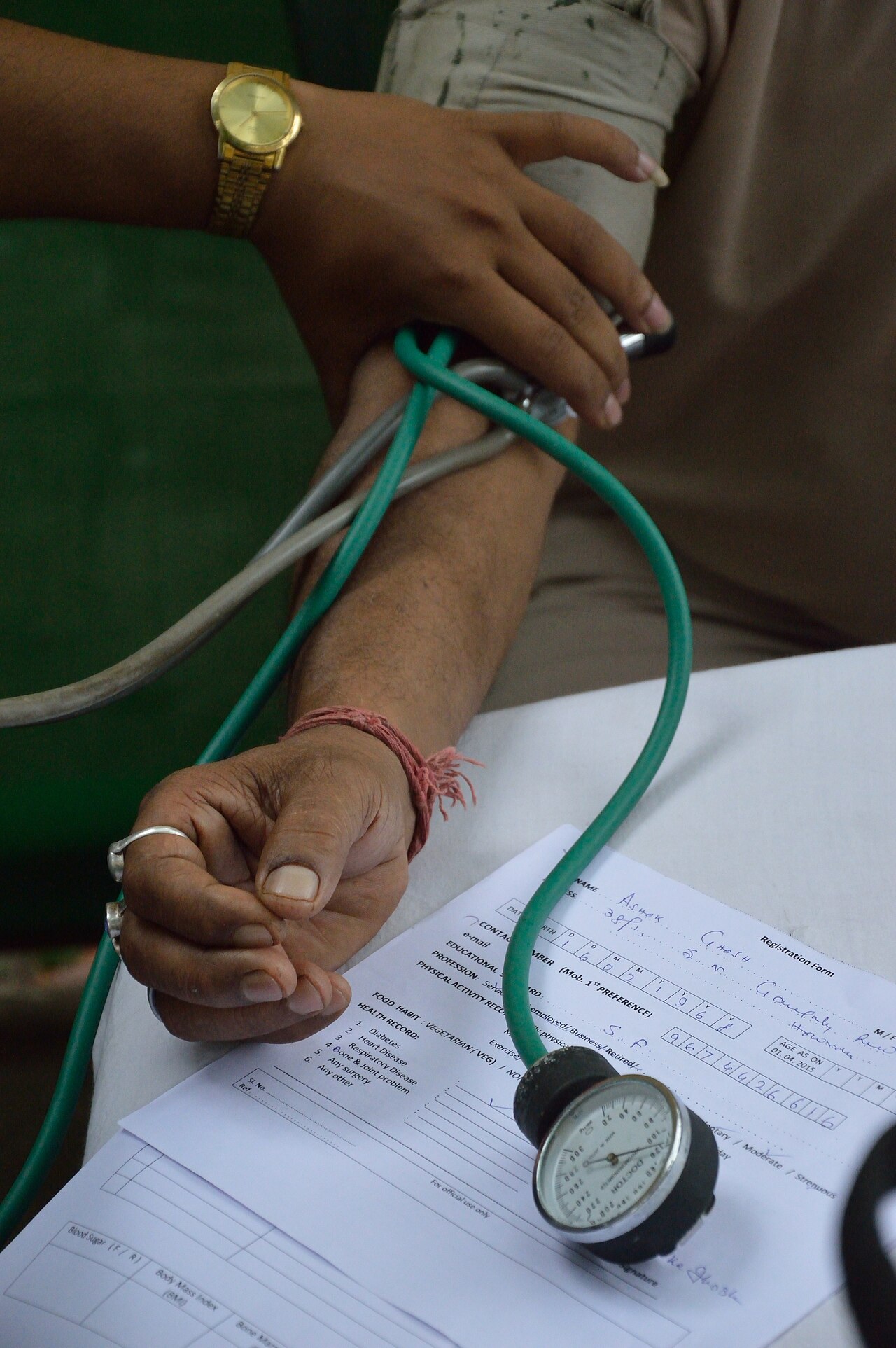
Blood pressure is measured in two numbers: systolic (the pressure in your arteries when your heart beats) over diastolic (the pressure when your heart rests between beats). Normal blood pressure is below 120/80 mmHg. Elevated blood pressure is 120–129/less than 80. Stage 1 hypertension is 130–139/80–89, and stage 2 is 140+/90+. A hypertensive crisis (above 180/120) requires immediate medical attention.
Both numbers matter, but systolic pressure (the top number) is generally considered more important for predicting cardiovascular risk in adults over 50, because arteries stiffen with age, making systolic pressure rise faster. However, in younger adults (under 50), diastolic pressure may be a stronger predictor. The key is that every 10 mmHg increase in systolic blood pressure roughly doubles the risk of heart attack, stroke, and heart failure over a 10-year period.
The DASH Diet: Your Most Powerful Tool
The DASH (Dietary Approaches to Stop Hypertension) diet is the single most effective dietary intervention for blood pressure. Developed through NIH-funded research, it emphasizes fruits, vegetables, whole grains, lean proteins (fish, poultry, beans), and low-fat dairy while limiting red meat, sweets, and saturated fat. The DASH diet can lower systolic blood pressure by 8–14 mmHg within two weeks — an effect comparable to a single blood pressure medication.
What makes DASH particularly effective is its emphasis on potassium, magnesium, and calcium — minerals that help regulate blood pressure by promoting sodium excretion and relaxing blood vessels. A typical DASH day might include oatmeal with berries and milk for breakfast, a salad with grilled chicken for lunch, salmon with brown rice and steamed broccoli for dinner, and nuts or yogurt as snacks. The diet doesn't require exotic ingredients or complicated recipes — it's essentially an amplified version of general healthy eating guidelines.
Sodium Reduction: Small Changes, Big Impact
The average American consumes about 3,400 mg of sodium per day — far above the recommended limit of 2,300 mg (about 1 teaspoon of salt), and ideally 1,500 mg for those with hypertension. Sodium raises blood pressure by causing your body to retain fluid, which increases the volume of blood your heart must pump. The effect is dose-dependent: the more sodium you consume, the higher your blood pressure tends to be.
Reducing sodium doesn't mean eating bland food. The biggest sources of sodium aren't the salt shaker — they're processed and restaurant foods: bread, deli meats, pizza, canned soups, chips, and fast food. Cooking at home with herbs, spices, citrus, and vinegar instead of salt can cut your sodium intake by 30–40% without sacrificing flavor. Reading nutrition labels and choosing 'low sodium' or 'no salt added' versions of common items also makes a significant difference. People who are 'salt-sensitive' (more common in Black adults, older adults, and those with kidney disease) see a larger blood pressure reduction from sodium restriction.
Exercise: Movement as Medicine
Regular physical activity lowers blood pressure by 4–9 mmHg through several mechanisms: it strengthens the heart so it pumps blood more efficiently, reduces arterial stiffness, improves endothelial function (the inner lining of your blood vessels), and helps with weight management. The American Heart Association recommends at least 150 minutes of moderate-intensity aerobic exercise (brisk walking, cycling, swimming) or 75 minutes of vigorous exercise (running, HIIT) per week, plus muscle-strengthening activities on 2 or more days.
You don't need to run marathons. Studies show that even walking 30 minutes a day, five days a week, produces meaningful blood pressure reductions. The effect is acute — a single session of moderate exercise can lower blood pressure for several hours afterward — and cumulative, with regular exercisers maintaining lower resting blood pressure over time. The key is consistency: blood pressure benefits disappear within 1–2 weeks of stopping exercise.
Weight Loss, Alcohol, and Stress Management
If you're overweight, losing even 5–10 pounds can measurably lower blood pressure. The general rule is that every 2.2 pounds (1 kg) of weight lost corresponds to approximately 1 mmHg reduction in systolic blood pressure. This makes weight loss one of the most effective long-term strategies, especially when combined with DASH and exercise. Excessive alcohol consumption raises blood pressure by stimulating the sympathetic nervous system and increasing cortisol levels. Limiting intake to one drink per day for women and two for men is recommended; for some people, even less is better.
Chronic stress elevates blood pressure through sustained activation of the 'fight or flight' response. While you can't eliminate stress entirely, evidence-based techniques — deep breathing, meditation, yoga, progressive muscle relaxation, and regular physical activity — can lower blood pressure by 2–5 mmHg. The key is making these practices routine rather than occasional. If you're implementing these lifestyle changes and want to track whether they're working, [Premedice](/) can help you monitor your blood pressure trends and adjust your approach over time.
Ready to try Premedice?
Get instant, AI-powered explanations of your lab results and symptoms — powered by 300+ medical databases.
Continue Reading
Most Popular
Best AI Medical Models in 2026: MedQA Scores Compared
ResearchMedGemma: Open-Source Medical AI That Runs on Your Hardware
TechnologyMed-PaLM 2: 86.5% MedQA Score, Zero Doctors Using It (2026)
ResearchAI Symptom Checker Architecture: How Premedice Cuts Hallucinations 3.8x
TechnologyMedical AI Privacy: AES-256 + Zero-Knowledge Architecture
SecurityDr. Marcus Chen, MD, FACC
Dr. Chen is a board-certified cardiologist specializing in preventive cardiology and hypertension management.
Expert Takeaway
Lifestyle modifications — DASH diet, sodium reduction, exercise, weight loss, and stress management — can reduce blood pressure by 10–20 mmHg combined. For many people with stage 1 hypertension, these changes alone can bring blood pressure to target without medication.
Browse by Topic
QFrequently Asked Questions
Q1At what blood pressure should I start medication?
For most adults, lifestyle modifications are tried first for stage 1 hypertension (130–139/80–89) if your 10-year cardiovascular risk is below 10%. If risk is 10% or higher, or if you have existing cardiovascular disease or kidney disease, medication is usually started alongside lifestyle changes. Stage 2 hypertension (140+/90+) typically requires medication from the start. Always discuss with your doctor.
Q2How long does it take for lifestyle changes to lower blood pressure?
Dietary changes (DASH, sodium reduction) can show effects within 2–4 weeks. Exercise benefits begin within days of starting a regular routine but take 4–6 weeks to reach full effect. Weight loss effects are proportional to the amount lost and can be seen as you lose each increment. Consistency is key — benefits reverse within weeks of stopping.
Q3Can I stop taking blood pressure medication once my readings improve?
Sometimes, but only under medical supervision. If lifestyle changes have brought your blood pressure to target for 6+ months, your doctor may gradually reduce or stop medication. However, many people need long-term medication because hypertension is often a chronic condition. Never stop blood pressure medication abruptly without consulting your doctor, as this can cause dangerous rebound hypertension.
Q4Does salt sensitivity vary between people?
Yes. Salt sensitivity affects about 50% of people with hypertension and 25% of people with normal blood pressure. It's more common in Black adults, older adults, people with diabetes, chronic kidney disease, or a family history of hypertension. Salt-sensitive individuals see a larger blood pressure reduction from sodium restriction than salt-resistant individuals.
Q5Can AI tools help manage blood pressure?
Yes. AI platforms can track blood pressure trends, correlate readings with diet and exercise data, and alert you to concerning patterns. Premedice integrates blood pressure with other health metrics for a comprehensive cardiovascular risk picture.
Verified References & Literature
Sodium Intake and Blood Pressure: A Systematic Review
Journal of the American Heart Association, 2024
View SourceGet a structured second read in seconds
Upload lab results, describe symptoms, or ask about a diagnosis — Premedice gives you medically-grounded answers backed by 30+ clinical databases.