
Elevated Liver Enzymes: Every Question Answered
Summary & Key Takeaway
Your lab report says your liver enzymes are elevated. Maybe it says ALT is 62, or AST is 48, or both are flagged with a red HIGH marker. Your mind immediately goes to liver failure, hepatitis, or something catastrophic. But here is what the numbers actually tell you: elevated liver enzymes appear in 10-15% of all routine blood tests, and the vast majority of those elevations are temporary, mild, and completely reversible. The challenge is knowing which category yours falls into. This guide answers every question people actually search for about elevated liver enzymes, from what the numbers mean to when you need to see a doctor, and how AI can help you interpret your specific results before your next appointment.
?? Core Insights
- Elevated liver enzymes appear in 10-15% of routine blood tests, and most are mild and reversible.
- ALT is the most specific marker for liver injury; AST is elevated in liver, heart, muscle, and red blood cell damage.
- The AST-to-ALT ratio provides diagnostic clues: ratio above 2 suggests alcoholic liver disease; below 1 suggests fatty liver disease.
- Mild elevations (1-3x normal) are often caused by medications, alcohol, obesity, or intense exercise and resolve on their own.
- Severe elevations (above 10x normal) are medical emergencies that require immediate evaluation for acute liver injury.
Try it yourself — free
Experience the medical AI that powers this article. Ask questions, check symptoms, or analyze lab results.
Want to know what a tool does with a panel like yours? See how the lab interpreter reads a blood panel.
Related Lab Tests
What ALT and AST Actually Measure
Alanine aminotransferase (ALT) and aspartate aminotransferase (AST) are enzymes that live inside liver cells. When liver cells are damaged, these enzymes leak into the bloodstream, and a blood test picks up the increase. ALT is the more specific marker for liver injury because it is found primarily in the liver, while AST is also present in heart muscle, skeletal muscle, and red blood cells.
This distinction matters when you read your results. An isolated ALT elevation points more directly at the liver. An AST elevation alongside CK (creatine kinase) or troponin might indicate muscle or heart damage instead. Understanding which enzyme is elevated helps you and your doctor narrow down the cause before any additional testing begins.
Normal Ranges and What 'Mildly Elevated' Actually Means
Normal ALT ranges from 7-56 U/L for men and 7-45 U/L for women. Normal AST ranges from 10-40 U/L for both sexes. These ranges vary slightly between labs, which is why you should always compare your results against the ranges printed on your specific report rather than general reference values online.
Mild elevation is generally defined as 1-3 times the upper limit of normal. Moderate elevation is 3-10 times normal. Severe elevation is above 10 times normal. The severity category matters because it narrows the differential diagnosis dramatically. Mild elevations have dozens of common causes. Severe elevations point to a smaller, more urgent set of possibilities.
| Test | Normal range | Mild (1-3x) | Moderate (3-10x) | Severe (10x+) |
|---|---|---|---|---|
| ALT | 7-56 U/L (men), 7-45 (women) | 56-168 | 168-560 | Above 560 |
| AST | 10-40 U/L | 40-120 | 120-400 | Above 400 |
| ALP | 40-129 U/L | 129-387 | 387-1290 | Above 1290 |
| GGT | 11-63 U/L | 63-189 | 189-630 | Above 630 |
The 12 Most Common Causes of Elevated Liver Enzymes
The leading cause in developed countries is non-alcoholic fatty liver disease (NAFLD), which affects approximately 30% of US adults. NAFLD is strongly associated with obesity, type 2 diabetes, and metabolic syndrome. The second most common cause is alcohol use, even at levels that do not meet criteria for alcohol use disorder. Moderate alcohol consumption (2-3 drinks daily) can elevate ALT by 2-3 times normal.
Medications are the third most common cause. Statins, acetaminophen (Tylenol), NSAIDs, antibiotics, and certain supplements can all elevate liver enzymes. The elevation is usually mild and resolves when the medication is adjusted or stopped. Other common causes include viral hepatitis (B and C), herbal supplements, intense exercise (especially eccentric muscle exercise like downhill running), celiac disease, thyroid disorders, and iron overload (hemochromatosis).
Reading the AST-to-ALT Ratio: What the Pattern Tells You
The ratio between AST and ALT provides diagnostic information that neither value alone can provide. An AST-to-ALT ratio above 2 is strongly suggestive of alcoholic liver disease. An AST-to-ALT ratio below 1 is more consistent with non-alcoholic fatty liver disease. When the ratio is close to 1, the differential is broader and additional testing is usually needed.
This ratio is one of the most underused pieces of information on a standard lab report. Most patients see two elevated numbers and do not know to look at the relationship between them. AI interpretation tools can calculate this ratio automatically and explain what it suggests, which is one of the clearest value-adds of using AI for lab interpretation.
When Mild Elevation Is Nothing to Worry About
A liver enzyme that is 1-2 times the upper limit of normal, in an otherwise healthy person with no symptoms, is very often a transient finding that resolves on its own. Common triggers include a heavy meal before the draw, intense exercise within 48 hours, alcohol consumption in the days before testing, certain medications, and even acute stress.
The medical approach to mild, asymptomatic elevation is usually repeat testing in 4-6 weeks rather than immediate intervention. If the repeat test shows the same elevation, further workup begins. If it normalizes, the cause was almost certainly transient. This is why a single elevated number is a conversation, not a diagnosis.
When Elevation Requires Immediate Medical Attention
Liver enzymes above 10 times the upper limit of normal constitute a medical emergency. This level of elevation indicates significant hepatocyte death and requires immediate evaluation for acute liver injury from causes like acetaminophen overdose, viral hepatitis A or E, ischemic hepatitis (shock liver), or autoimmune hepatitis.
Symptoms that accompany severe elevation include jaundice (yellowing of the skin and eyes), dark urine, severe abdominal pain in the right upper quadrant, nausea and vomiting, confusion, and easy bruising or bleeding. If you have elevated liver enzymes along with any of these symptoms, seek emergency care rather than waiting for an AI interpretation or a scheduled appointment.
Fatty Liver Disease: The Silent Epidemic Behind Most Elevations
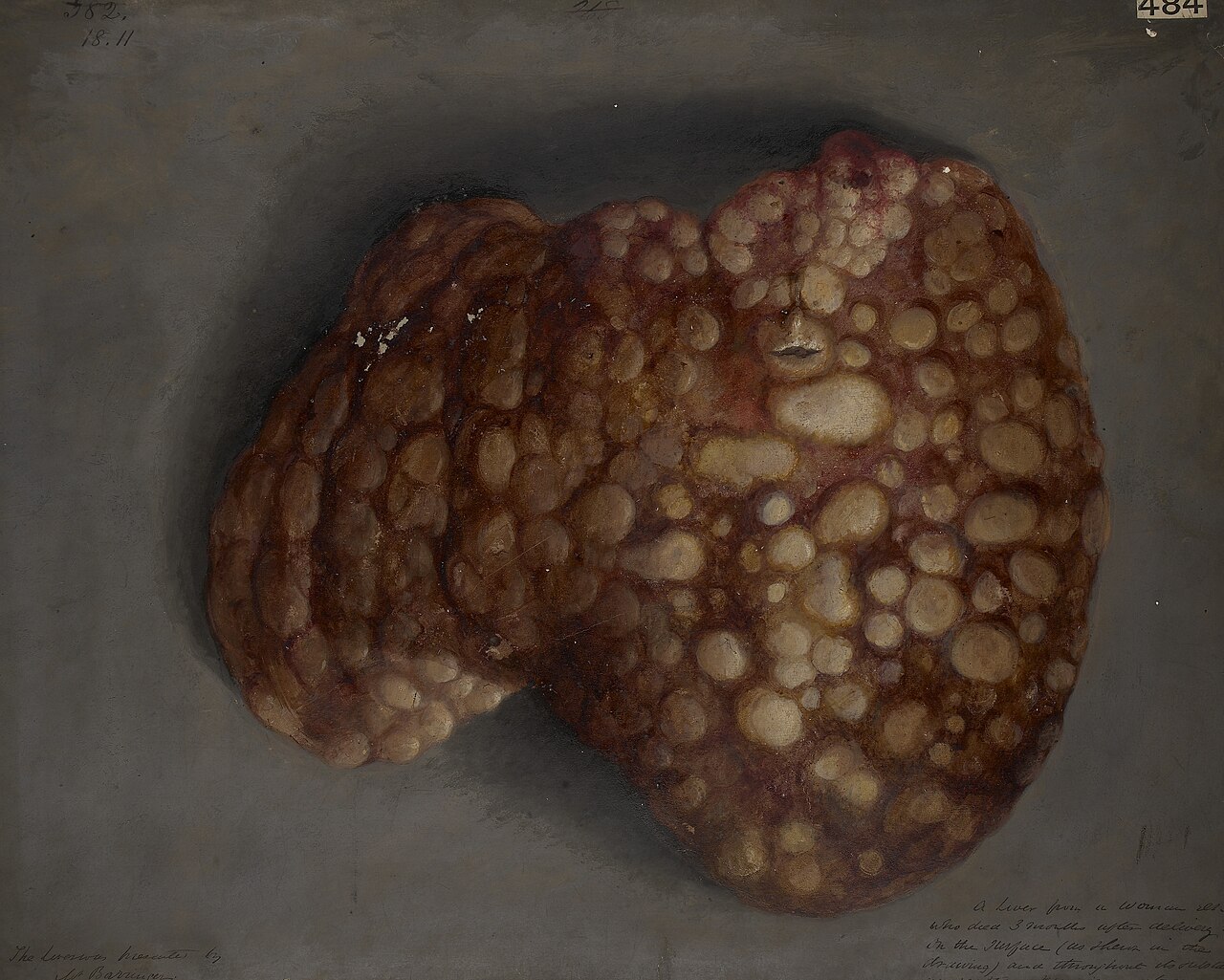
Non-alcoholic fatty liver disease (NAFLD) is now the most common cause of elevated liver enzymes in developed countries, affecting approximately 30% of US adults. It exists on a spectrum from simple fat accumulation (steatosis) to non-alcoholic steatohepatitis (NASH), which involves inflammation and can progress to fibrosis and cirrhosis.
The concerning feature of NAFLD is that it is usually silent. Most people with fatty liver disease have no symptoms until significant damage has occurred. An elevated ALT on a routine blood test is often the first and only signal. The good news is that NAFLD is reversible in its early stages through weight loss, dietary changes, and exercise. A 5-10% reduction in body weight can normalize liver enzymes and reverse fatty infiltration on imaging.
How AI Can Help You Understand Your Specific Liver Enzyme Pattern
AI interpretation tools add value for liver enzyme results because they can analyze the full pattern across all liver markers simultaneously. When your ALT is elevated alongside your ALP and GGT, that pattern suggests a different clinical picture than an isolated ALT elevation. A human doctor recognizes this pattern quickly, but a patient reading a portal dump would not know to look for it.
The best AI tools also account for the degree of elevation, the AST-to-ALT ratio, and the presence or absence of other abnormal markers. They can explain whether your pattern is consistent with fatty liver, alcoholic liver disease, viral hepatitis, or medication-induced injury, and they can recommend the appropriate next steps. This kind of pattern analysis turns a scary number into an understandable picture.
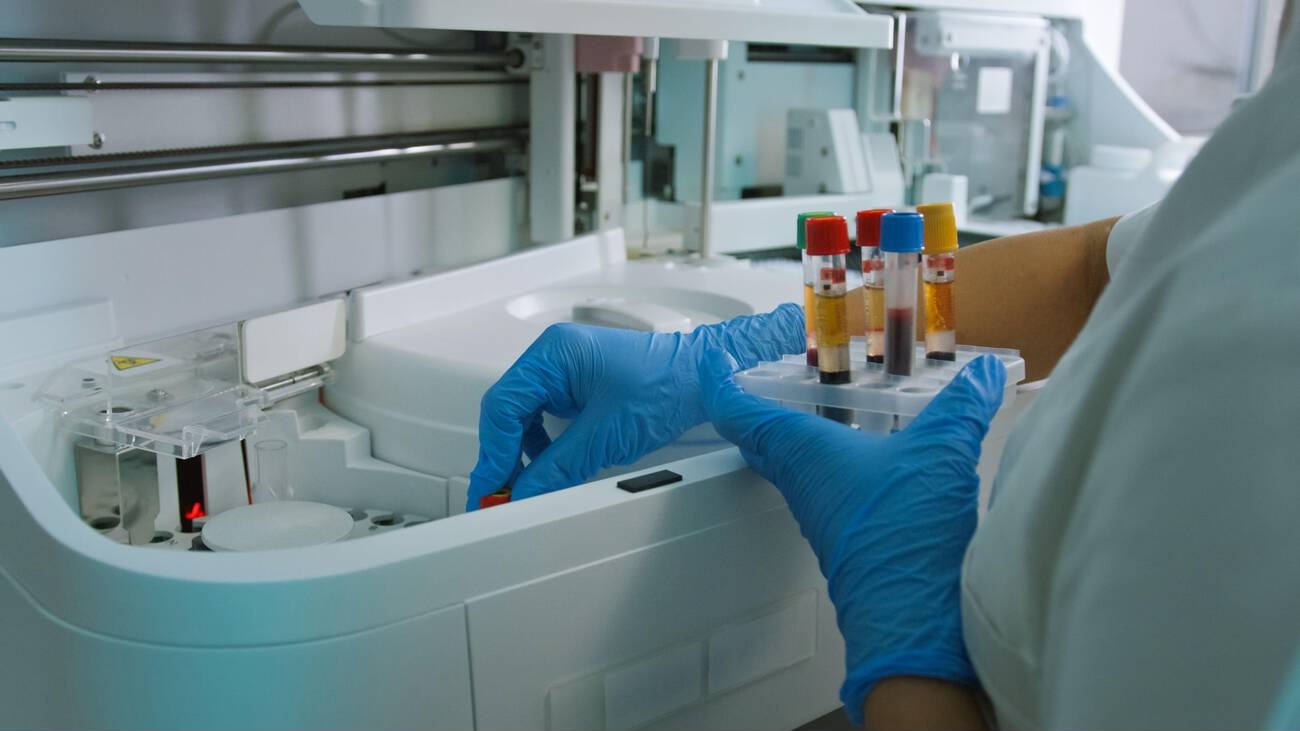
Liver enzymes share a panel with the rest of your chemistry and metabolic markers, and reading them together catches patterns that a single value hides. The twelve numbers worth tracking shows where ALT and AST sit relative to glucose, HbA1c, and the lipid markers, because fatty liver and metabolic syndrome so often appear together. If the report also returned a lipid panel or a blood count, when lab results are scary but are not is worth reading before you assume the worst, and reading your lab report before an appointment covers how to turn the numbers into questions for your doctor. For the full upload workflow, see how to read blood test results with AI.
What to Do After You Get Your Results
If your liver enzymes are mildly elevated and you have no symptoms, the most important thing is not to panic. Schedule a follow-up with your doctor, avoid alcohol until you have answers, review your medications and supplements with your pharmacist, and maintain a healthy diet. These steps are not treatments; they are the baseline that lets your doctor interpret the next set of results accurately.
If your liver enzymes are moderately or severely elevated, or if you have symptoms, contact your doctor promptly rather than waiting for a scheduled visit. Bring a list of all medications, supplements, and alcohol consumption to the appointment. If you have prior lab results, bring those too so your doctor can see whether this is a new finding or a continuation of a trend.
Ready to try Premedice?
Get instant, AI-powered explanations of your lab results and symptoms — powered by 300+ medical databases.
Continue Reading

Most Popular
Best AI Medical Models in 2026: MedQA Scores Compared
ResearchMedGemma: Open-Source Medical AI That Runs on Your Hardware
TechnologyMed-PaLM 2: 86.5% MedQA Score, Zero Doctors Using It (2026)
ResearchAI Symptom Checker Architecture: How Premedice Cuts Hallucinations 3.8x
TechnologyMedical AI Privacy: AES-256 + Zero-Knowledge Architecture
SecurityDr. Marcus Vance, MD
Dr. Vance is a board-certified internal medicine physician and clinical informatics expert with a focus on preventative medicine and patient-directed health literacy.
Expert Takeaway
Most elevated liver enzymes are mild and reversible. The key is pattern recognition: which enzymes are elevated, how high they are, and whether they are trending up or down on repeated tests. AI can help you understand your specific pattern before your doctor appointment.
Browse by Topic
QFrequently Asked Questions
Q1What does it mean if my liver enzymes are slightly elevated?
Slight elevation (1-2 times the upper limit of normal) is very common and usually caused by medications, alcohol, intense exercise, or fatty liver disease. It often resolves on its own. Your doctor will likely repeat the test in 4-6 weeks to check for a trend.
Q2Can elevated liver enzymes mean cancer?
Elevated liver enzymes alone are not a sign of cancer. They indicate liver cell damage, which has many causes. However, liver cancer can cause enzyme elevation, which is why persistent or severe elevations warrant further evaluation including imaging.
Q3How high do liver enzymes have to be to be dangerous?
Liver enzymes above 10 times the upper limit of normal (ALT above 450 U/L) constitute a medical emergency. Mild to moderate elevations (1-10 times normal) are usually not dangerous in themselves but warrant investigation.
Q4What foods help lower liver enzymes?
There is no specific food that lowers liver enzymes. The most effective dietary approach is reducing alcohol, maintaining a healthy weight, limiting processed foods and added sugars, and eating a balanced diet rich in vegetables, lean proteins, and whole grains.
Q5Should I stop my medications if my liver enzymes are elevated?
Do not stop medications without consulting your doctor. Many medication-related elevations resolve on their own or with dose adjustment. Stopping certain medications abruptly can be dangerous. Discuss the results with your prescribing physician.
Q6Can exercise cause elevated liver enzymes?
Yes, intense exercise, especially eccentric muscle exercise like downhill running or heavy weightlifting, can temporarily elevate both ALT and AST. The elevation typically resolves within 48-72 hours. Avoid intense exercise for 2-3 days before a blood draw if liver enzymes are being monitored.
Verified References & Literature
Nonalcoholic Fatty Liver Disease: A Clinical Practice Guideline
American Association for the Study of Liver Diseases, 2024
View SourceGet a structured second read in seconds
Upload lab results, describe symptoms, or ask about a diagnosis — Premedice gives you medically-grounded answers backed by 30+ clinical databases.